City Health ramps up block-baiting
11 November 2024
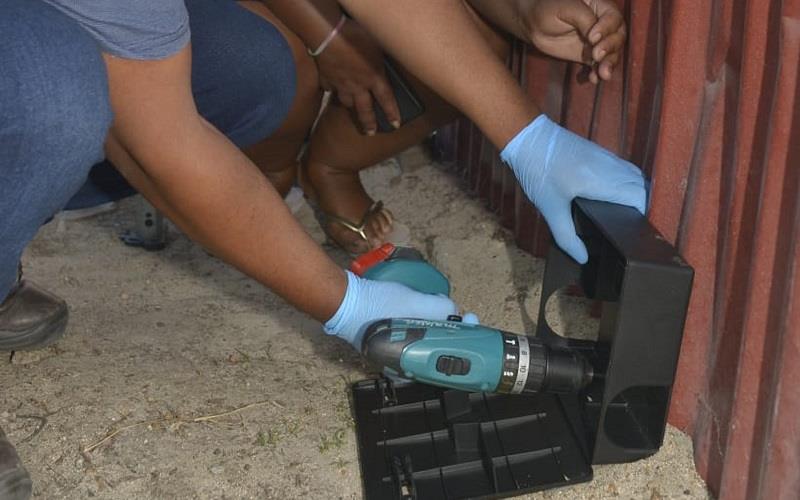
Environmental Health Practitioners service, on average, 85 000 block-baiting stations in public spaces and informal areas across the metropole annually. Rodents and other pests are prevalent during the warmer months, with potential health impacts if not managed properly.
In the previous financial year, City Health set up 85 203 rodent bait boxes across the metropole – just more than 40% of those were in Khayelitsha, Strand and surrounds.
The use of properly secured locked bait-boxes to dispense pesticide is the most widely accepted method of pest control across the world as it minimises risk to non-target species.
These bait boxes are monitored on a regular basis, and the frequency of service will depend on the rodent activity prevalent in the area.
‘These baiting boxes are a valuable tool in managing rodents. If you have a rodent problem, reach out to your nearest City Health facility for advice or assistance. To the public in general, please do not tamper with the bait boxes, for your own safety, and those around you. If you spot a box that appears damaged, in a public space, please contact your local clinic or Environmental Health office so that they can address it,’ said Mayoral Committee Member for Community Services and Health, Councillor Patricia Van der Ross.
EHPs also conduct year-round awareness on topics like waste management, food safety and the safe use of pesticides, to reduce the risk of illnesses linked to pests, as well as the risk of accidental exposure to sometimes harmful substances.
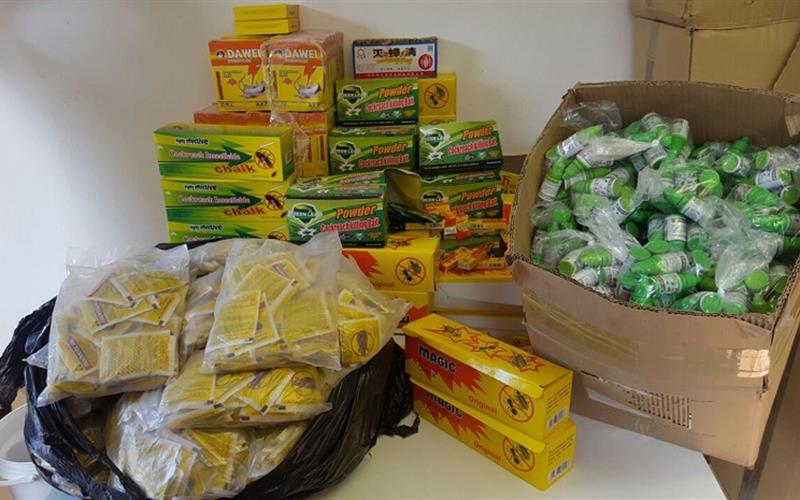
The sale of illegal pesticides is an ongoing challenge - some of the most common and dangerous substances include Two Step, liquid poison mixtures, Green Leaf sachets for cockroaches and flies, Aldicarb, slug granules and insecticide chalk sticks.
‘Another complication is that substances are often repackaged, which makes it near impossible to follow usage instructions or know what to do in case of accidental exposure or ingestion. There are cases where these substances are sold in reused cooldrink bottles, and anyone who doesn’t know better, like young children could potentially ingest it. It is a difficult environment to navigate, because there is such a demand for these substances. They are cheap, and effective, but the flipside is that they are illegal, and are often fatal to humans if not handled correctly,’ added Councillor Van der Ross.
In the previous financial year, the average rate of pesticide poisoning incidents was 4,35 per 100 000 of the population.
The majority of cases were summed up as accidental poisoning cases.
Pest management and chemical safety tips
Keep all food stored safely in durable closed containers or cupboards (rats can eat through paper)
Do not touch a rat, even if it doesn't look dangerous – not only do they bite, but they may also carry disease
All waste including food waste must be properly disposed of in a refuse container and not dumped.
Do not tamper with rodent bait boxes, for your own safety and the safety of others
If you spot a damaged bait box, report it to your local clinic or Environmental Health office
Only buy pesticides registered for use in South Africa in sealed containers/packaging from reputable retailers
Safely store all household chemicals in a lockable cupboard out of children’s reach.
Do not decant pesticides out of its original packaging, so you’re aware of usage instructions, and what to do in case of accidental exposure/ingestion and to minimise accidental ingestion of poison.
Educate the entire household, and children in particular, about the dangers of pesticides
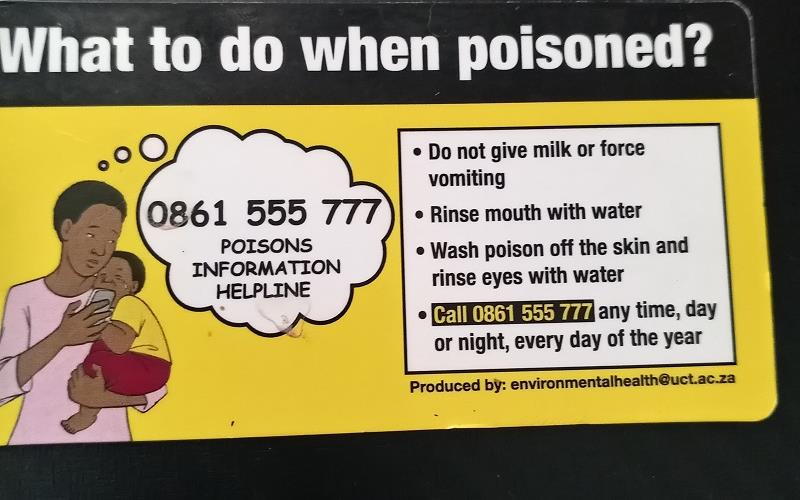
Make sure everyone knows the emergency number to call, in case of an accidental poisoning incident
Do not buy decanted pesticides/poisons sold in unlabelled containers for sale on the streets. These illegal pesticides are highly toxic and are potentially lethal.
Do not under any circumstances decant chemicals into cooldrink bottles
Dispose of empty chemical/pesticide packaging as directed so as to avoid accidental contamination of the environment, or negative health impact on humans or animals
Follow instructions for use on pesticide or chemical packaging including using gloves if required.
Use the right chemical for the required purpose and avoid bulk buying.
Read the label carefully and follow instructions closely.
Use only as directed, and handle carefully
If you have a rodent problem, or you want to report any concerns or tip-offs about the sale of illegal pesticides, contact your local clinic or nearest Environmental Health office, or contact the City’s call centre on 0860 103 089.
 End
End Published by:
City of Cape Town, Media Office